My cousin called me last month, half-panicked, holding an admission form for a BJMC program at some local college. “Is this even a real career?” she asked. “My uncle says I should just do B.Com like everyone else.”
I laughed, not because it was funny, but because I remember asking my own dad the exact same nervous questions eight years ago. And somehow I ended up spending three years of my life buried in this degree, then another few years actually working in newsrooms and content teams before drifting into blogging full time.
So when people ask me about BJMC now, I don’t give them the brochure answer. I give them the real one — the messy, occasionally frustrating, sometimes genuinely exciting version.
This isn’t going to read like a university prospectus. Think of it as the conversation I wish someone had with me before I paid my first semester fee.
Okay, But What Actually Is This Degree
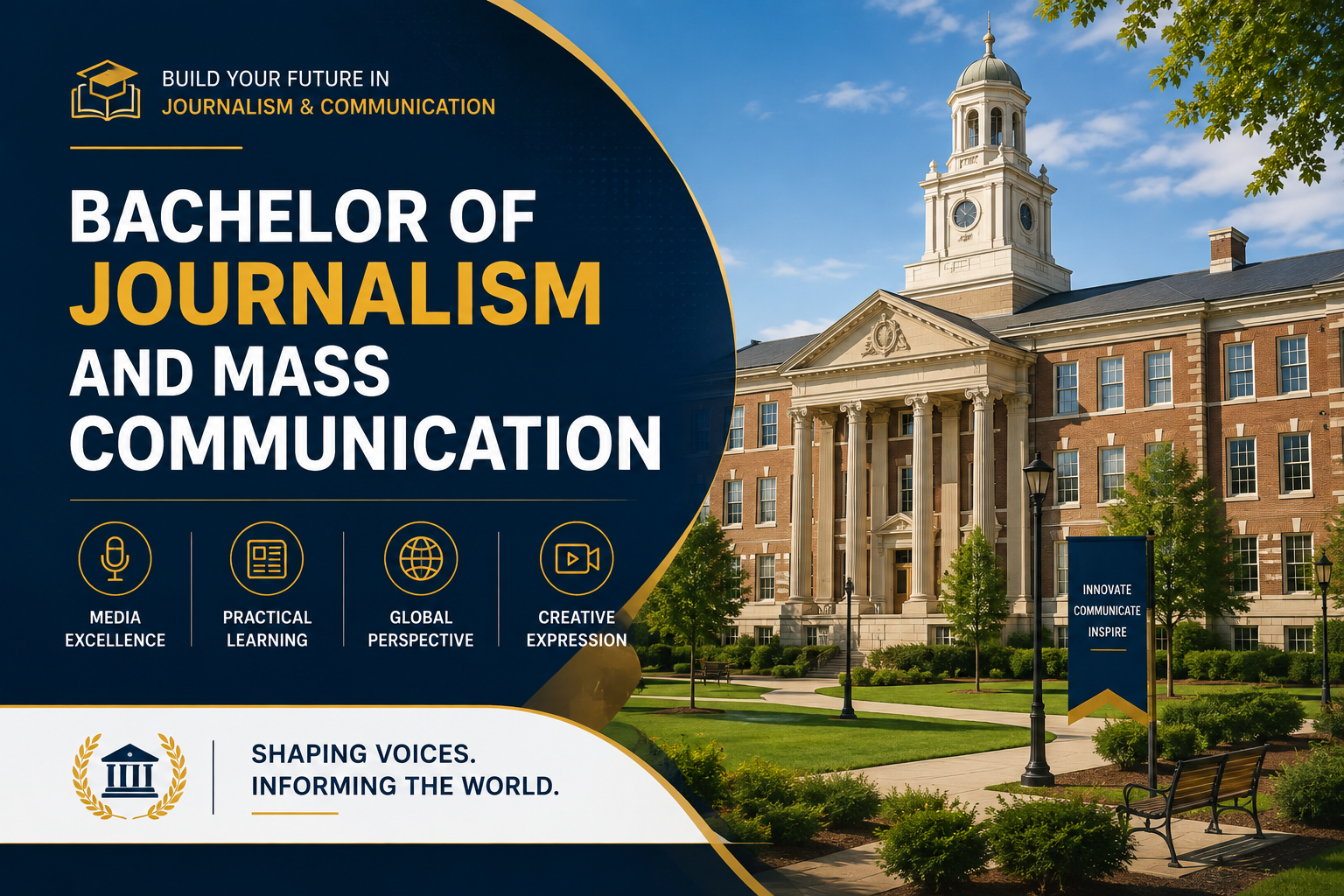
Bachelor of Journalism and Mass Communication is a three-year undergraduate program (some colleges stretch it to four years now, depending on the country and university structure) that covers journalism, media studies, advertising, public relations, and increasingly, digital content creation.
Here’s the thing though — the name makes it sound like it’s only about news reporting. It’s not. Not even close.
In my batch, maybe 20% of students actually wanted to become traditional news reporters. The rest were scattered across advertising, PR, radio jockeying, video editing, social media management, and a surprising number who just wanted to figure out what they wanted to do while studying something that felt “creative but practical.”
That mix is honestly the strength of the course. You get exposed to a bit of everything before you have to pick a lane.
Why I Chose It (And Why My Reasons Were Kind Of Wrong)
I picked BJMC because I liked writing and I was scared of math. That’s it. That was my entire decision-making process at 17.
Looking back, that’s a terrible reason to choose a three-year commitment, but it worked out okay for me — mostly by luck, partly because the course itself is flexible enough to accommodate people who show up without a clear plan.
If you’re choosing this degree right now, do yourself a favor and be a little more intentional than I was. Ask yourself what part of “media” actually excites you:
- Do you like asking questions and digging into stories? That’s news journalism.
- Do you like visuals, editing, and telling stories through video? That’s broadcast or digital media.
- Do you like persuasion, branding, and campaigns? That’s advertising and PR.
- Do you like writing for the sake of writing, regardless of platform? That’s content, and it overlaps with everything above.
I didn’t know any of this at 17. I figured it out during the actual course, which brings me to what the classroom experience really looks like.
What The First Year Actually Feels Like
The first year is mostly theory, and I’ll be honest, some of it felt pointless at the time. Media history, communication theories, basics of print and broadcast — a lot of memorizing names of theorists like Harold Lasswell and models like the Shannon-Weaver model of communication.
I remember complaining to my roommate that we were paying tuition to memorize diagrams instead of actually writing news stories.
Two years later, sitting in an editorial meeting, I realized why that foundation mattered. When my editor talked about “gatekeeping” in news selection or “agenda-setting” in how stories get prioritized, I actually understood what she meant because of that boring first-year theory class. It clicked into place once I had real context.
So my advice here: don’t skip the theory portion mentally just because it feels dry. It becomes the vocabulary you’ll use later without even noticing.
Second Year Is Where It Gets Real
This is where most colleges introduce practical training — reporting assignments, basic video editing, maybe your first taste of using a DSLR camera or a simple software like Adobe Premiere Pro or even the free CapCut app if your college budget doesn’t stretch to fancy equipment.
My college had one shared camera for about 40 students. You’d sign up on a sheet pinned outside the media lab and pray you got a slot before your assignment deadline. Not ideal, but it taught me to plan shoots properly instead of just winging it, because I didn’t have unlimited retakes.
This is also usually when internships start becoming relevant. My first internship was with a small local newspaper, and I made an embarrassing mistake in my very first week — I submitted a report without double-checking a quote, and it turned out I’d misheard a name during a phone interview. My editor caught it before it went to print, but she sat me down and said something I still remember: “In journalism, being fast means nothing if you’re wrong.”
That one sentence changed how I worked for the rest of my career. I started recording interviews on my phone (with permission, always ask first) using a simple voice recorder app, and cross-checking every name and number before submission.
Third Year: Specialization And Panic
By third year, you’re expected to have some direction. Most programs let you choose electives — some lean into print journalism, others into advertising, PR, or digital media and social media strategy.
I chose digital media, partly because by then blogs and YouTube were becoming a real career path, and partly because I genuinely enjoyed writing for the internet more than writing for print. The tone is different, the pacing is different, and honestly, the internet forgives experimentation a lot more than a newspaper editor does.
This is also the year most students start their final year project or dissertation. Mine was a short documentary on local street vendors and how they were adapting to digital payment systems. I used a basic smartphone gimbal, borrowed a lapel mic from a senior, and edited everything on a laptop that could barely handle the render times without crashing every twenty minutes.
Lesson learned the hard way: always keep multiple backups of your raw footage. I lost about 15 minutes of interview footage because I trusted a single SD card that decided to corrupt itself two days before submission. Now I back up everything in at least two places, usually my laptop and a cloud drive like Google Drive, the moment I get home from a shoot.
Skills You Actually Walk Away With
People assume BJMC only teaches you to write. It doesn’t. Here’s what I genuinely use even now, years later, running my own blog:
Interviewing skills — knowing how to ask open-ended questions instead of ones that get a yes or no answer.
Basic video and audio editing — I’m not a professional editor, but I can competently use tools like Adobe Premiere Rush, CapCut, or even just trim and caption something on my phone for social media.
Research and fact-checking — this one is underrated. Knowing how to verify a claim before publishing it saved me from embarrassing myself online more times than I can count.
Understanding media ethics — knowing what you can and can’t publish, especially around privacy and defamation, which matters a lot more once you’re actually putting content out into the world under your own name.
Basic design sense — most programs touch on layout and design principles, even if briefly, which helps when you’re formatting a blog post, a thumbnail, or a simple graphic later.
None of these skills make you an expert overnight. But they give you a working foundation that most people entering media jobs without this background have to learn on the fly, often making costly mistakes in the process.
Career Paths People Don’t Talk About Enough
Everyone assumes BJMC leads to becoming a news anchor or a reporter. Realistically, here’s where my batchmates actually ended up, roughly a decade later:
- A good chunk went into corporate communications and PR agencies.
- Several moved into digital marketing and social media management for brands.
- A few became full-time content writers or copywriters, some freelance, some in-house.
- A handful stayed in traditional journalism, working with newspapers or news channels.
- One friend became a podcast producer, a job that basically didn’t exist as a formal title when we started college.
- A couple, like me, ended up blogging or creating content independently, monetizing through ads, affiliate work, or freelance writing.
The point is, the degree opens more doors than the name suggests. It’s less “journalism degree” and more “communication and media degree” if you want to think about it practically.
Common Mistakes I See Students Make
Let me save you some pain, because I made a few of these myself and watched friends make the rest.
Mistake 1: Treating it as an easy degree. Some people join BJMC assuming it’s less demanding than engineering or medicine. The workload is different, not lighter. Deadlines are real, and editors don’t accept late submissions just because you had a bad week.
Mistake 2: Ignoring internships until the final year. Start early. Even an unpaid internship at a small local publication or a marketing startup teaches you more in a month than a semester of lectures. I wish I’d started in first year instead of waiting until second.
Mistake 3: Not building a portfolio while studying. Every article, video, or campaign you make during college should be saved somewhere you can show later. I lost track of some of my best college work because I never organized it. Now I tell every junior I mentor to keep a simple portfolio website, even a free one on WordPress.com or Wix, updated as they go.
Mistake 4: Focusing only on writing and ignoring digital skills. Basic photography, editing, and social media literacy matter more now than they did when I started. If your college doesn’t teach enough of this, YouTube tutorials and free resources like Canva or HubSpot Academy can fill the gap.
Mistake 5: Being afraid to specialize. Trying to be good at everything means you often end up average at everything. Pick one or two areas you genuinely enjoy by second year and go deeper there.
A Realistic Day-To-Day Once You’re Working
People imagine journalism as glamorous, running around breaking news with a microphone. Sometimes it is. Mostly it’s sitting at a desk, making calls, verifying facts, rewriting drafts, and dealing with tight deadlines that don’t care how tired you are.
When I worked at a digital newsroom briefly after college, a typical day involved checking three or four news aggregator sites and Twitter (before it became X) first thing in the morning, pitching story ideas in a group chat, writing two to three pieces before lunch, and then spending the afternoon editing and fact-checking someone else’s draft.
It’s less dramatic than movies make it look, but there’s a genuine satisfaction in seeing something you researched and wrote go out and actually inform or help someone.
Step-By-Step: How To Actually Make The Most Of This Degree
If you’re starting BJMC soon, or already in it, here’s roughly what I’d do differently if I went back:
- Spend your first month exploring, not deciding. Talk to seniors in every specialization before committing mentally to one path.
- Start a personal blog or Instagram page in year one, even if it’s just to practice writing captions or short articles. Consistency matters more than perfection here.
- Apply for at least two internships before your final year. Don’t wait for your college placement cell to hand you one.
- Learn one editing tool properly rather than dabbling in five. Premiere Pro, CapCut, or even Canva for graphics — pick one and get comfortable.
- Keep every piece of work you produce, organized in folders by type and date. You’ll need this for your portfolio later.
- Attend guest lectures and workshops, even the ones that seem boring. I met my first internship contact at a guest lecture I almost skipped.
- Read outside your syllabus. Follow actual working journalists and content creators to understand how the industry actually operates day to day, not just how textbooks describe it.
Is It Actually Worth It
I get asked this constantly, usually by parents more than students, honestly.
My genuine answer: it depends on what you do with it, more than what the degree hands you automatically. It’s not a guaranteed ticket to a big salary the way some professional degrees are marketed to be. But it gives you a real, transferable skill set — communication, research, storytelling, media literacy — that applies across a surprisingly wide range of jobs, many of which didn’t exist when the course curriculum was originally designed.
The people from my batch who did well weren’t necessarily the most naturally talented writers. They were the ones who kept practicing, built a portfolio, stayed curious, and treated internships as seriously as they treated exams.
If you go in expecting a passive learning experience where a degree alone gets you a job, you’ll be disappointed. If you go in ready to actually create things — articles, videos, campaigns, whatever interests you — while you study, you’ll come out with a lot more than a certificate.
That’s really the honest version of this degree. Not glamorous, not useless either. Just a foundation that rewards the people who actually use it.
Frequently Asked Questions
1. Is Bachelor of Journalism and Mass Communication only for people who want to become news reporters?
No, not at all. While journalism is a core part of the course, the degree also covers advertising, public relations, digital media, and content creation. Most graduates actually end up in fields like marketing, PR, or content writing rather than traditional news reporting.
2. What skills do I need before joining BJMC?
You don’t need any specialized skills to start. Basic writing ability and curiosity about current events help, but most technical skills like video editing, interviewing, and research are taught during the course itself. What matters more is willingness to practice consistently.
3. Can I get a good job right after completing BJMC, or do I need further studies?
You can get entry-level jobs directly after BJMC, especially in content writing, social media, or junior reporting roles. However, many people choose to do a postgraduate diploma or master’s degree in a specialized area like broadcast journalism or digital marketing to improve their prospects and starting salary.
4. How is BJMC different from a mass communication diploma or certificate course?
A full bachelor’s degree gives you broader theoretical grounding along with practical training over three to four years, while diplomas or certificate courses are usually shorter and more narrowly focused on specific practical skills. A degree also tends to be more recognized for corporate and government job applications.
5. Is this degree still relevant with so much AI and automation in content creation now?
Yes, arguably more relevant than before. While tools can now help draft basic content, the core skills this degree teaches, verifying facts, understanding ethics, interviewing real people, and telling authentic stories, are things automation still struggles to replicate well. Human judgment and original reporting remain valuable, especially as more generic AI-generated content floods the internet.